Category: Culture and Entertainment > Museum
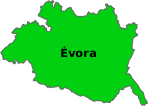
District: Évora > Évora > Évora
The museum is located in the historic center of Évora, housed in one of the most striking buildings in Praça 1º de Maio. The granite facade, with its wrought balconies and Baroque portal, stands out in the surrounding urban layout, where narrow streets, old buildings, and the unique atmosphere of the walled city predominate.
Situated in an area of pedestrian circulation and social gathering, the building opens onto a wide square that allows visitors to calmly observe the architectural details and the monumental scale of the former Real Celeiro Comum (Royal Common Granary), now adapted as a museum space.
The museum occupies the former communal granary of Évora, established in the eighteenth century to store cereals and ensure the region's supply. The construction was directed by master masons linked to the local Baroque architecture, which explains the monumental portal, the granite bay windows, and the use of decorative elements such as volutes and vegetal motifs.
Inside, the original structure is still recognizable, with large naves supported by robust pillars and an organization designed to maintain a stable temperature for the wheat. The adaptation into a museum sought to preserve this architectural identity, maintaining the historical reading of the space.
MADE brings together pieces from the former Museum of Handicrafts and the Center for Traditional Arts. The collection juxtaposes Alentejo artisanal productions with design objects from different eras, creating a dialogue between traditional practices and more recent creative solutions.
Visitors will find everything from pottery and woodwork to everyday objects linked to technological evolution, such as cameras, household utensils, or twentieth-century office equipment. This contrast highlights changes in habits and production methods, allowing observation of how functionality and aesthetics have transformed over time.
The visit takes place in a relatively compact space, where the route is marked by the diversity of the pieces. Some rooms present objects grouped by materials or themes, while others place regional handicrafts alongside industrial pieces from different decades.
The combination of the historic ambiance of the former granary and the variety of exposed objects creates a unique experience, where architectural heritage and material culture intertwine. It is a place that invites careful attention to both the history of the building and the details of the pieces that fill it.
Coordinates DD: 38.56927735231181,-7.90845139857316
Coordinates DMS: 38°34'9.4"N 07°54'30.4"W
 Weather Évora


 On-duty Pharmacy Évora