Category: Culture and Entertainment > Museum
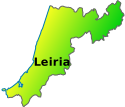
District: Leiria > Leiria > Relva
Nestled in the rural tranquility of Relva, a locality integrated within Souto da Carpalhosa and Ortigosa, in the municipality and district of Leiria, the Agromuseu, Museu D. Julinha is set within a landscape that reflects the essence of the Leiria countryside. Its location invites contemplation of the natural surroundings and immersion in the calm atmosphere of the inland territories, offering a genuine experience of rural Portugal.
This museum is dedicated to the safeguarding and dissemination of the agricultural and rural heritage of the Leiria region. It functions as a repository of the collective memory of the people who, over generations, shaped the landscape and local culture through agricultural labor. It presents a collection that allows for an understanding of the techniques, instruments, and customs associated with country life, evoking a past where agriculture was the pillar of subsistence and community identity.
The name 'Museu D. Julinha' suggests a tribute or a particular connection to a female figure who played a relevant role in local history or in the foundation and development of this museological space. Although specific details about D. Julinha may vary, her presence in the title underscores the human and personal dimension of the collection and the narrative that the Agromuseu seeks to preserve and share, conferring a distinctive and affectionate character to the place.
Through its exhibitions, the museum offers a journey through time, showcasing the tools and utensils used in daily country life, from land preparation to food preparation. The collections may include furniture, costumes, and other objects that illustrate the traditions and lifestyle of the rural communities of the Leiria region, allowing visitors a deeper understanding of their material and immaterial culture.
The structure housing the Agromuseu, Museu D. Julinha is an example of civil architecture adapted or built for museological purposes, harmoniously integrating into the surrounding rural landscape. The building itself may reflect traditional construction elements of the region or have been designed to provide a welcoming environment conducive to exploring its collections. The museum's ambiance, far from urban hustle, fosters a more immersive and reflective experience on the rural way of life and the importance of its preservation.
Coordinates DD: 39.831179366667, -8.8418218388889
Coordinates DMS: 39°49'52.2"N 08°50'30.6"W
 Weather Relva



 On-duty Pharmacy Relva