Category: Religious Architecture > Wayside Cross
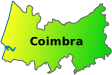
District: Coimbra > Montemor-o-Velho > Meco > Centro
The Cruzeiro is located in the locality of Meco, within the municipality of Montemor-o-Velho, in the district of Coimbra, right in the heart of the Centro region of Portugal. Situated in a central and easily accessible area, it is part of an urban environment where its presence is striking. Delimited by a wall, it acquires its own distinct space in the local landscape, serving as a reference point and an invitation to contemplation within the village setting.
This wayside cross, dating back to the 16th century, specifically 1558, has a history of notable translocation. Originally located in a place known as Borda da Estrada, it was moved to its current position, attesting to its continuous importance over the centuries. Although it does not stand out for great splendor or artistic ornamentation, it is one of the few examples from its era that still survives in the Montemor-o-Velho region, serving as a lasting testament to centuries of history and deep-rooted popular devotion.
The structure of the Cruzeiro is built on a modern base, composed of two steps that serve as elevation. Resting on this base is a square pedestal, notably devoid of mouldings, which gives it an aesthetic of sobriety. From this pedestal rises a column of the Doric order, characterized by a monocylindrical shaft, which supports a simple cross, the latter being an addition from a later period. The construction is predominantly in limestone, a material that confers robustness to the ensemble, while the platform is clad in marble, underscoring the simplicity and functionality that characterize the architecture of its creation period.
One of the most unique and interesting aspects for those observing the Cruzeiro is the inscription engraved on the shaft of its column. It reads the following message: “HVA AVE M(ARI)A / PECADOR TE PEDE Q/VEM ESTA / (cruz) AQVI FEZ / POR 1558”. This engraving offers a direct and moving glimpse into the mentality and devotion of the period of its construction, revealing not only a plea for prayer addressed to the one who commissioned its erection but also the exact date of its conception, solidifying its historical value.
Wayside crosses, such as this one in Meco, are monuments deeply rooted in Portuguese culture and popular faith. Traditionally, they mark paths, crossroads, or significant meeting points in settlements, serving as symbols of deep religious devotion. They represent the spirit and faith of the communities, functioning as spontaneous places for meditation, prayer, or homage. Beyond their intrinsic religious value, many of these monuments were erected to commemorate important events or as a form of protection, imbuing them with an additional layer of cultural and symbolic meaning for those who visit them and seek to understand the local heritage.
Coordinates DD: 40.24684425, -8.6407983333333
Coordinates DMS: 40°14'48.6"N 08°38'26.9"W
 Weather Meco



 On-duty Pharmacy Meco